
Okay, so check this out—hardware wallets are deceptively simple on the surface. Wow! They look like tiny USB sticks, but they carry the keys to your financial life. My instinct said treat them like cash in a safe, and honestly that approach still works. Initially I thought all hardware wallets were basically the same, but then I started testing firmware behaviors and things changed fast.
Whoa! Small details make big differences. Seriously? Yes—firmware update flows, how many coins are supported natively, and what staking options are integrated all affect your risk profile. On one hand, a wallet that auto-updates might seem convenient and secure. On the other hand, automatic updates can introduce attack surface if the update verification isn’t bulletproof.
Here’s the thing. Firmware updates are the moment of truth for a device’s security posture. Hmm… when an update shows up, your wallet asks you to confirm a new hash on-device, or at least it should. If that verification happens off-device only, something felt off about the process for me—very very important to question. Firmware that requires a physical confirmation of a fingerprint or a pin on the device reduces remote attack vectors, though actually, wait—let me rephrase that: even if the device forces a PIN, the source of the update still needs to be verifiable independently.
Firmware chain-of-trust matters. Short version—secure boot, signed firmware, and transparent signing keys are the basics. A long explanation is that signed firmware prevents tampered images from running, and secure boot ensures only that signed code can execute; together they stop persistent compromise. Some vendors publish reproducible build processes and signing keys, which is rare and valuable. I’m biased toward open processes, but I admit that not every user will dig through build logs.
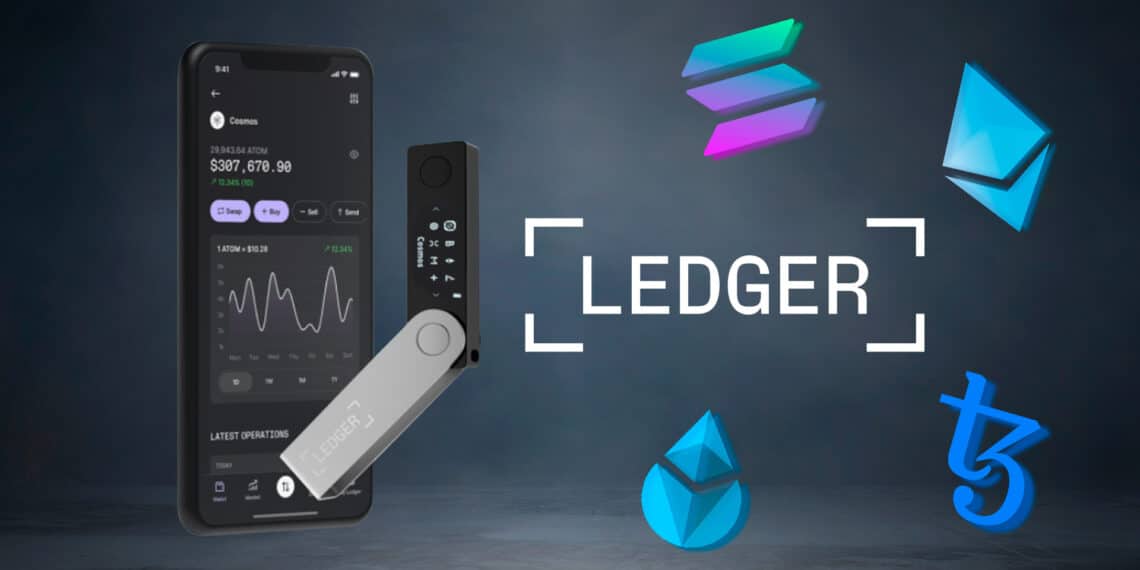
Balancing Multi‑Currency Support with Security — and Where Ledger Live Fits In
Multi-currency support is seductive. Wow! You want one device to hold BTC, ETH, Solana, and those new chains your friend just told you about. My first impression was: “Yes, one device to rule them all.” But on closer thought, different blockchains bring different verification needs. For example, some chains require large apps or separate firmware modules, and loading them together can increase complexity and memory pressure on the secure element, which is not an abstract issue; it can lead to cramped flash memory and subtle bugs.
On the practical side, app isolation and strict process separation inside the device are essential. Seriously? Yes—if two coin apps share vulnerabilities, an exploit in one could spread. Initially I thought app-level sandboxing was sufficient, but then I realized hardware limitations make implementation tricky. That led me to appreciate vendors who document how they partition memory, validate apps, and handle third-party integrations.
If you want a smoother experience, use companion software that maintains per-coin apps sensibly. I recommend tools that show per-app signatures and provide clear prompts on the device during transactions. For many folks in the US, that companion is familiar—there’s a well-known app called ledger live which manages app installs and updates in a single interface and shows transaction details before you approve them on-device. I’m not selling anything; I’m telling you what I used and why it made life simpler.
Staking is another magnet for attention. Hmm… yield is tempting, especially when interest rates elsewhere are meh. Staking through a hardware wallet can be secure, but it’s nuanced. On one hand, staking with on-device signing keeps your keys cold and safe while still letting you participate in network consensus. On the other hand, the interaction model—how delegation is set up, whether rewards are compounded on-device, and whether third-party validators require extra information—can introduce complexity and sometimes risk.
Here’s what bugs me about many staking integrations: they often hide tradeoffs. For instance, some staking flows require moving funds into smart contracts or using intermediary services that hold custody unless you take extra steps. I’m not 100% sure every user reads the fine print. A secure staking UX should clearly show what the device signs, what permissions are granted, and what happens if the staking provider misbehaves.
From a technical standpoint, the best staking setups keep private keys offline and only use the device to sign minimal messages that authorize validator actions. Long thought: if the device constructs staking transactions deterministically and displays all critical details, then the user can verify without trusting the host. That’s the sweet spot—cold signing with clear human-readable confirmation, though achieving that across chains with differing transaction models is a pain.
Small tangent—(oh, and by the way…) if you’re juggling many coins, think about backup strategies. A single seed phrase controlling dozens of assets is efficient but also a single point of failure. Split backups, multi-sig arrangements, or hardware redundancy are options. I had a setup where two devices held different parts of a multi-sig wallet and it saved me from panic once when a device cold-soldered itself off my keyring—true story, sorta.
Practical checklist for firmware, multi-currency, and staking security. Wow! Read release notes before updating. Check cryptographic signatures on firmware whenever possible. Use companion software that verifies app installs and shows clear transaction previews. Prefer staking flows that let you sign on-device and avoid custodial middlemen unless you fully understand them.
On one hand, keep your device firmware current—updates fix vulnerabilities. On the other hand, don’t apply updates blindly. I once paused an update because the release notes were vague, and that saved me from a buggy build that bricked devices. Actually, wait—let me rephrase—having a recovery plan is essential: keep your seed offline, verify the recovery phrase, and test restores with small sums occasionally.
Device Selection, UX Tradeoffs, and What I Would Do Today
Pick a vendor that demonstrates transparent firmware practices. Seriously? Yes—look for published signing keys, clear update verification, and a history of responsive security processes. Also consider how the device handles multiple apps; prefer those that isolate and minimize shared state. I’m biased toward devices that allow manual control over app installs, because it means you load only what you need, reducing attack surface.
Use multi-sig for sums you can’t afford to lose. Short thought—multi-sig is a little more work, but it’s worth it. Long thought—if your assets are meaningful, multi-sig across different vendor devices reduces supply-chain and single-vendor risk, though it’s operationally heavier and requires coordination when upgrading firmware or changing signers.
Common questions I get
How often should I update firmware?
Update when there’s a security patch or a necessary new feature, but read release notes first. Wow! If the vendor publishes signed release artifacts and an explanation of what changed, that’s a good sign. If notes are vague, wait and ask the community or support. My rule: critical security fixes—update quickly; cosmetic improvements—wait a few days.
Is staking safe from a hardware wallet?
Generally yes, if the staking flow uses on-device signing and you trust the validator setup. Hmm… avoid custodial intermediaries unless you understand the custody terms. Use reputable validator operators and check for slashing policies and uptime history. I’m biased toward non-custodial staking that keeps your keys offline.
How many currencies should my device support?
As many as you need, but load only necessary apps. Seriously? Yes—more apps can mean more complexity and a slightly larger attack surface. Prioritize devices with clear app management and documented isolation models.